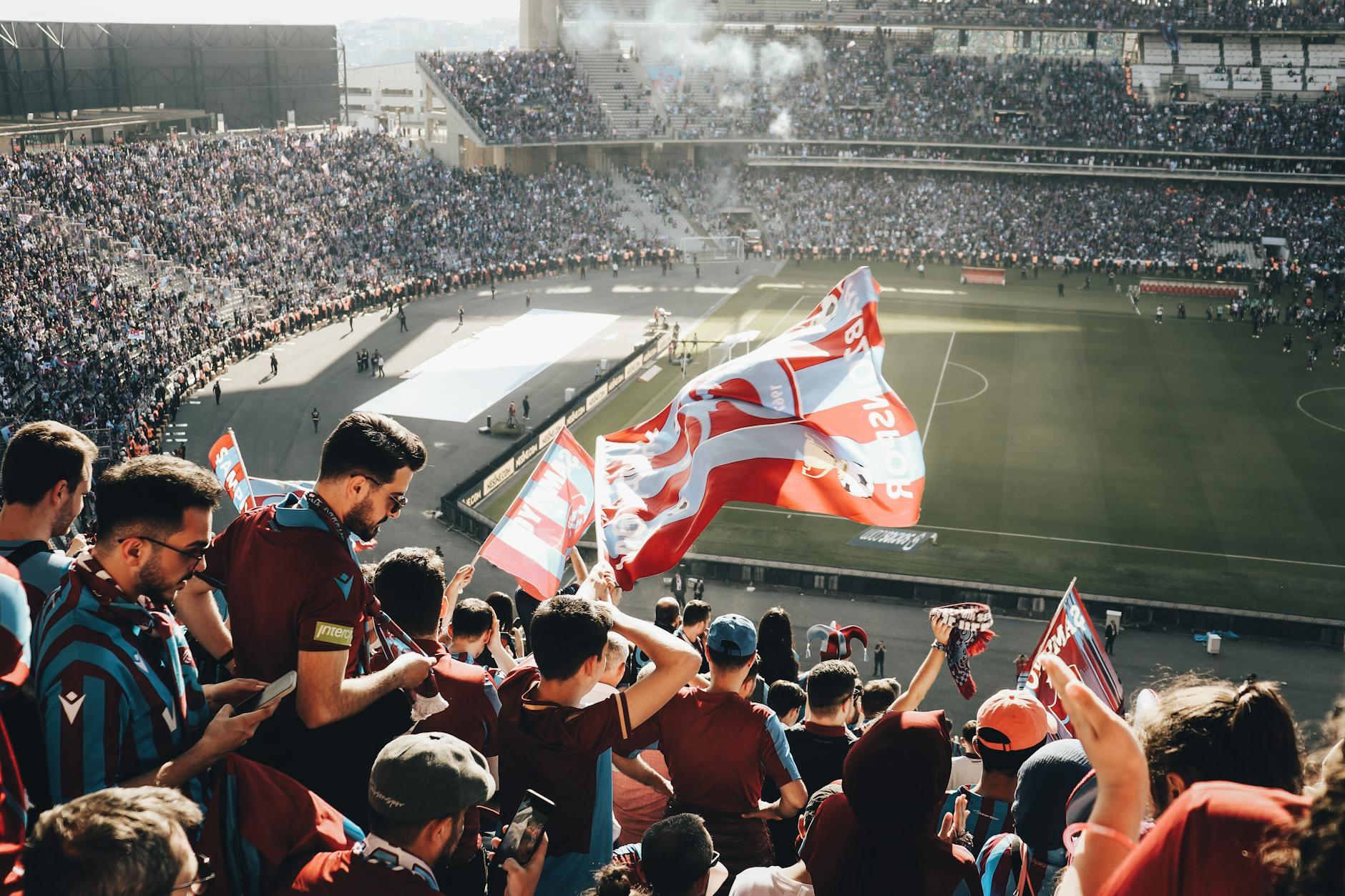
**The Crimson and Ebony Playbook: Understanding Albania's Football Ethos (An Explainer)** - Ever wondered why red and black dominate Albanian football culture? This section unpacks the historical, political, and cultural significance of these colors, delving into their connection with national identity and the very fabric of Albanian resilience. We'll explore how this deep-seated pride translates onto the pitch, influencing everything from fan chants to player mentality. We'll also address common questions like, 'Is it just about the flag?' and 'How does this unify a diverse nation?'
The ubiquitous presence of red and black in Albanian football culture is far more than a mere aesthetic choice; it's a potent symbol woven into the very fabric of the nation's identity. These aren't just colors of a flag; they represent centuries of struggle, resilience, and an unwavering spirit. The deep, crimson red embodies the blood shed by countless heroes in defense of their homeland, from Skanderbeg's legendary battles to the fight for independence. The stark, powerful black, conversely, signifies the strength, determination, and solemn pride of a people who have endured immense challenges. This profound historical resonance means that when fans don these colors, or players step onto the pitch in a red and black kit, they are not simply supporting a team; they are embodying their nation's narrative, a collective memory that fuels their passion and unity.
This deep-seated pride translates directly onto the football pitch, imbuing every match with an almost sacred intensity. The roar of the crowd, often chanting slogans like
"Kuq e Zi!" (Red and Black!), isn't just encouragement; it's a declaration of national unity and defiance. Players, too, internalize this ethos; their mentality is often characterized by an unyielding fighting spirit, a reflection of their ancestors' perseverance. It's not uncommon to see teams, regardless of varying regional backgrounds, playing with a collective heart, driven by this shared identity. While the flag is undoubtedly a central element, the symbolism extends beyond it, encompassing:
- Historical narratives of resistance
- Shared cultural values of honor and loyalty
- A unified front against perceived external challenges
The Albania national football team, nicknamed "Kuqezinjtë" (The Red and Blacks), represents Albania in international football competitions. Despite being a smaller nation, they have shown significant improvement in recent years, notably qualifying for their first major tournament, UEFA Euro 2016.
**From Underdog to Unforgettable: Practical Lessons in Albanian Football's Rise (Tips & Q&A)** - Albania's journey from relative obscurity to a Euro 2016 appearance is a testament to their unwavering spirit. This section offers practical takeaways for aspiring teams, coaches, and fans. Learn about the strategic decisions, mental fortitude, and grassroots initiatives that fueled their ascent. We'll provide actionable tips on fostering team cohesion, overcoming resource limitations, and leveraging national identity for motivation. Plus, we'll tackle your burning questions: 'What are the key training methods they employ?', 'How do they develop talent despite limited infrastructure?', and 'What can other smaller nations learn from their success?'
Albania's remarkable surge onto the European football stage, culminating in their unforgettable Euro 2016 debut, isn't just a feel-good story; it's a masterclass in strategic development and sheer willpower. This transformation from perennial underdog to a competitive national team provides invaluable lessons for any aspiring footballing nation or club facing resource constraints. We’ll delve into the critical strategic decisions that paved their path, from smart coaching appointments to meticulous player scouting across the diaspora. Expect to learn about the mental fortitude cultivated within the squad, a resilience born from shared national identity and a collective hunger for recognition. Furthermore, we'll explore the often-overlooked grassroots initiatives that have slowly but surely broadened their talent pool, proving that success doesn't always require lavish infrastructure but rather a well-defined vision and unwavering commitment.
This section is designed to be highly practical, offering actionable tips directly inspired by Albania's journey. You'll discover how they fostered extraordinary team cohesion, turning a collection of individual talents into an unbreakable unit, often overcoming geographical distances and varying club commitments. We'll provide insights into leveraging national identity not just as a marketing tool, but as a potent source of motivation and unity on the pitch. Beyond the narrative, we'll tackle your most pressing questions in a dedicated Q&A. For example, 'What are the key training methods they employ to maximize their players' potential?' and 'How do they consistently develop talent despite limited domestic infrastructure?' Prepare to uncover the secrets of their success and apply these scalable strategies to your own footballing ambitions.