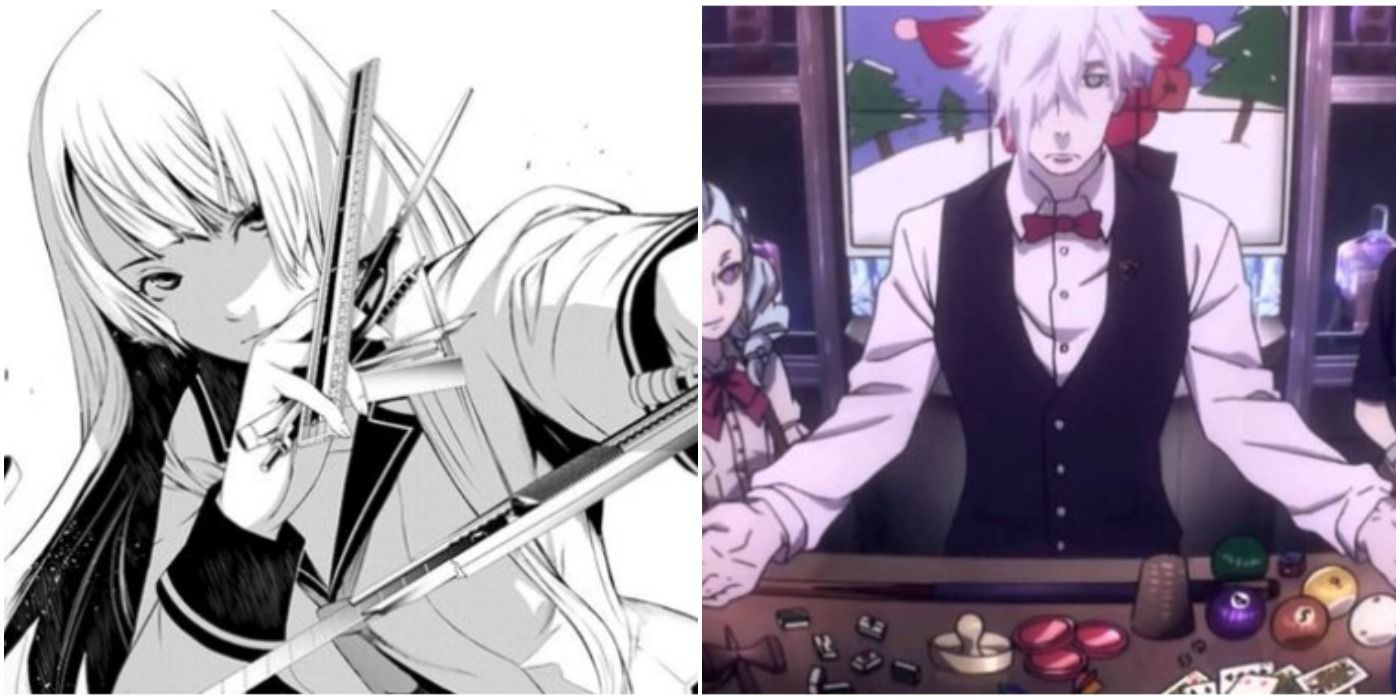
Exploring the Distinct Art Styles of Manga and Manhwa
The world of comics has a rich tapestry of artistic styles, and among the most captivating are Manga and Manhwa. While often grouped together, these two forms boast distinct characteristics that reflect their unique cultural origins. Manga, originating from Japan, is characterized by its dynamic panel layouts, expressive characters, and a wide variety of genres ranging from action to romance. The use of monochrome art with intricate details allows readers to immerse themselves in the storyline, drawing them into the heart of the narrative. In contrast, Manhwa emerges from South Korea and usually features more vibrant color palettes. Notably, the characters tend to exhibit a more polished and less exaggerated design, often enhancing their emotional expressions and appeal to the audience.
Another key difference lies in the reading format; Manga is traditionally read from right to left, staying true to its Japanese origins, while Manhwa follows the left-to-right format, often aligning with Western comic conventions. This divergence not only affects how the stories are consumed but also influences the overall flow of the artwork. Additionally, many Manhwa integrate vertical scrolling, a design choice that caters to mobile readers, reflecting the growing trend of digital consumption in the modern age. These artistic nuances create unique experiences for readers, inviting them to explore and appreciate the rich heritage of both Manga and Manhwa in the evolving global comic landscape.
For fans of the popular series, the solo leveling shop offers a wide range of merchandise, including apparel, collectibles, and artwork. This shop is an excellent place to find unique items that celebrate the thrilling adventures of your favorite characters.
Narrative Techniques: How Manga and Manhwa Tell Their Stories Differently
Narrative techniques in manga and manhwa play a crucial role in how stories are conveyed, each medium employing unique methods to engage readers. Manga, primarily known for its black-and-white artwork and right-to-left reading format, often utilizes environmental storytelling, where the background details contribute significantly to the narrative. In contrast, manhwa, which is typically in color and follows a left-to-right reading style, emphasizes character expression and dynamic panel layouts to create a more dramatic reading experience. This difference allows each medium to shine in its storytelling approach, making the same story feel different based on the narrative style employed.
Moreover, dialogue placement and timing in manga and manhwa can also alter the pacing of a story. Manga tends to use dialogue balloons more intricately, often layering them over action sequences, which creates a rhythmic reading experience. In contrast, manhwa may utilize larger text boxes alongside visual imagery to enhance the emotional impact, pulling readers deeper into the characters' feelings. This divergence in storytelling techniques not only shapes the engagement but also reflects cultural storytelling values, with manga often leaning towards concise, impactful narratives and manhwa exploring more elaborate character development.
Manga vs Manhwa: Which One Should You Read First?
When it comes to choosing between Manga and Manhwa, it's essential to understand the fundamental differences between these two popular styles of comics. Manga originates from Japan and is typically read from right to left, encompassing a wide range of genres that cater to all age groups. In contrast, Manhwa hails from South Korea and is usually read from left to right, often featuring more vibrant colors and dramatic artwork. For newcomers to the world of comics, I suggest starting with Manga to experience its rich storytelling tradition and diverse character development.
Once you're familiar with the Manga format, transitioning to Manhwa can be an exhilarating experience. Many Manhwa titles, like Solo Leveling and The Breaker, have gained massive popularity for their engaging plots and high-quality art styles. It's worth exploring both forms of storytelling, as they offer unique narratives and artistic expressions. Ultimately, the choice comes down to personal preference, but starting with Manga may provide a more comprehensive introduction to the world of comics.