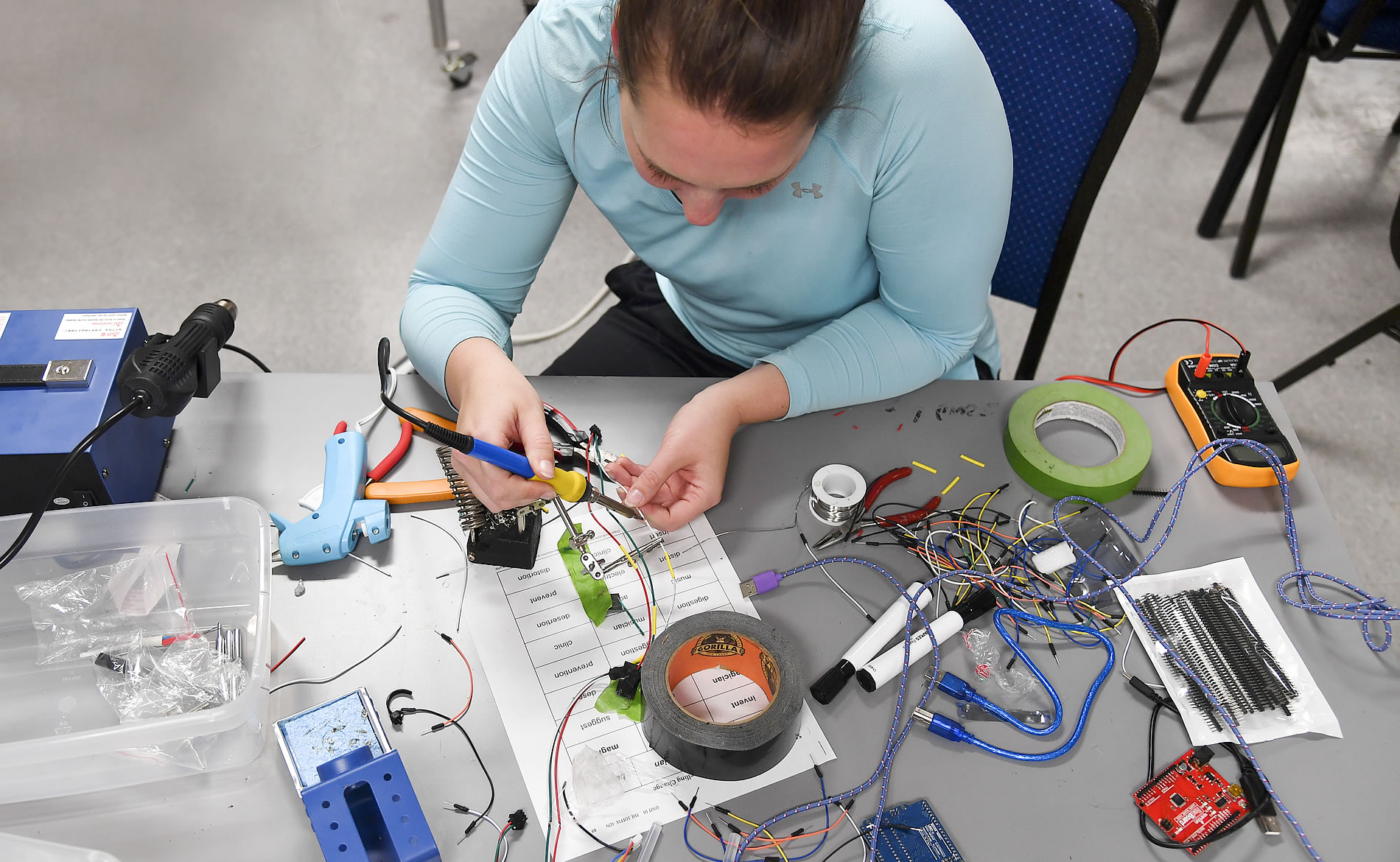
How Technology is Shaping the Future of Creative Expression
The advent of technology has revolutionized the way we express ourselves creatively. Tools such as digital art software and music production applications have democratized artistic creation, allowing anyone with a computer or smartphone to become a creator. This shift has led to a proliferation of new art forms, including digital art, 3D printing, and virtual reality experiences, enabling artists to push the boundaries of what is possible. Moreover, platforms like social media have transformed the way artists reach their audiences, providing unprecedented visibility and instant feedback, which further inspires creativity.
As we look toward the future, it is clear that technology will continue to shape creative expression in diverse and exciting ways. Emerging innovations such as artificial intelligence in the creative process are beginning to blur the lines between man-made and machine-generated art. Additionally, interactive technologies such as augmented reality are changing how audiences engage with art, making it more immersive and participatory. As we embrace these changes, the fusion of technology and creativity promises to unlock new possibilities and redefine what it means to be an artist in the 21st century.
Counter-Strike is a highly competitive first-person shooter game where teams of terrorists and counter-terrorists compete to complete objectives or eliminate each other. With a rich history and an active esports scene, it has become a staple in the gaming community. For those looking to enhance their gaming experience, consider exploring the Top 10 Tech Gifts Under 100 for some exciting gadgets.
The Intersection of Art and Technology: Innovations that Inspire
The intersection of art and technology has led to a wave of innovations that not only inspire creativity but also challenge traditional notions of artistic expression. In recent years, technologies such as virtual reality (VR) and augmented reality (AR) have transformed the way artists engage with their audiences, creating immersive experiences that blur the lines between the digital and physical worlds. For instance, artists now utilize VR to transport viewers into entirely new dimensions, allowing for an interactive exploration of their work, which was not possible in the past.
Moreover, the rise of digital platforms has democratized art production and consumption. Artists across the globe can share their creations through social media and online galleries, reaching wider audiences than ever before. This new landscape encourages collaboration and innovation, resulting in unique artistic forms such as digital installations and generative art. As technology continues to evolve, we can anticipate further groundbreaking innovations that will redefine the relationship between art and technology, continually inspiring both creators and audiences alike.
Can Imagination Drive Technological Advancements?
Imagination has always been a critical driving force behind technological advancements. The ability to envision possibilities beyond current limitations allows innovators to create solutions that transform our world. From the invention of the wheel to the development of artificial intelligence, imaginative thinking paves the way for breakthroughs that fundamentally change the way we live and interact. As Albert Einstein famously stated, ‘Imagination is more important than knowledge.’ This emphasizes that while knowledge lays the groundwork, it is imagination that inspires practical application and innovation.
Furthermore, the interplay between creativity and technology often leads to unexpected discoveries. For example, the concept of virtual reality was initially a figment of science fiction, but today it is an evolving field with real-world applications in gaming, education, and therapy. By fostering a culture that encourages imaginative thinking, we can unlock the potential for new technological marvels. Investing in creative thinking and supporting unorthodox ideas within our communities are essential steps toward ensuring that the drive for advancement remains strong and progressive, bringing us closer to a future that is limited only by our imaginations.