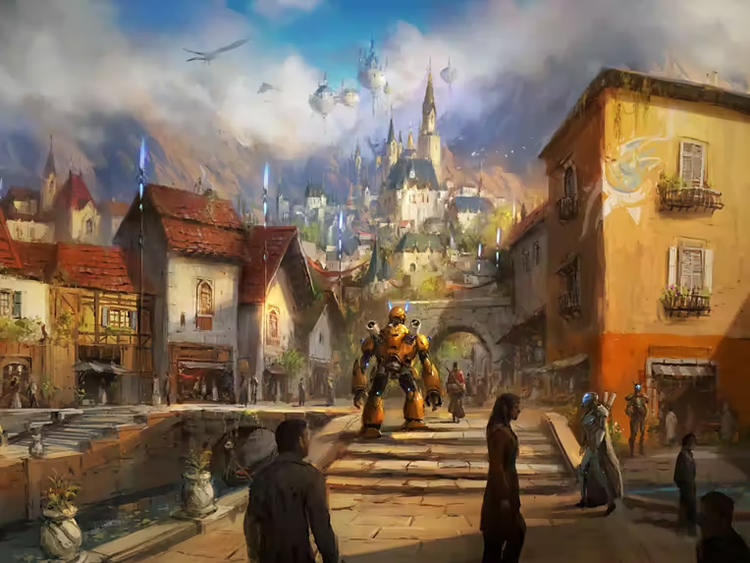
The Emotional Palette: How Color Choices in Digital Art Influence Viewer Perception
The significance of color in digital art goes beyond mere aesthetics; it plays a crucial role in influencing viewer perception. Different colors evoke distinct emotions and can drastically alter how an artwork is received. For instance, warm colors like red and orange often convey feelings of energy and passion, while cooler shades of blue and green tend to evoke calmness and tranquility. This emotional palette is not only essential for artists to understand, but also for marketers and content creators who seek to connect with their audience on a deeper level. When choosing a color scheme, artists should consider their intended message and audience reaction, as the right choices can lead to a more impactful visual experience.
Moreover, color can be utilized strategically to guide the viewer's attention and establish certain focal points within a piece. Using contrasting colors can highlight important elements, while a harmonious color scheme can create a cohesive flow throughout the artwork. For digital artists, leveraging tools like color theory and psychological implications of hues is vital. Emotionally charged color choices can enhance storytelling in digital art and influence how the viewer interacts with the narrative being presented. By understanding the stakes of color in digital environments, artists can not only elevate their work but also foster a stronger connection with their audience.
Counter-Strike is a popular first-person shooter game that emphasizes teamwork and strategy, where players can choose to be part of either the terrorist or counter-terrorist teams. It features various game modes and maps, fostering intense competitive play. For content creators who want to enhance their gaming experience, check out the Top 10 tech accessories for creators that can elevate your performance and setup.
From Code to Canvas: Understanding the Technology Behind Emotionally Charged Digital Art
In the realm of digital art, the transition from code to canvas is not merely an aesthetic journey; it represents a profound intersection of technology and creativity. Artists harness the power of programming languages, algorithms, and software tools to transform abstract ideas into visually stunning masterpieces. Each brushstroke in a digital painting is supported by intricate lines of code, allowing for dynamic elements that react and evolve over time. From generative art that relies on mathematical equations to interactive installations that invite viewer participation, the technology behind these creations is essential in conveying the emotional depth intended by the artist.
Understanding the technology that fuels emotionally charged digital art involves delving into the specific tools and techniques employed. For instance, artists may use software like Adobe Creative Suite, combined with coding platforms such as Processing or p5.js, to craft immersive experiences. Techniques such as machine learning and augmented reality create new avenues for expression, enabling artists to explore complex themes of identity, consciousness, and social issues. By blending emotion with technology, digital artists are redefining what it means to create, engage, and evoke responses from their audience.
What Makes Digital Art So Emotionally Resonant? A Deep Dive into Viewer Psychology
The emotional resonance of digital art stems from its unique ability to connect with viewers on a psychological level. Unlike traditional mediums, digital art can seamlessly blend various techniques, styles, and elements, engaging the viewer's imagination and evoking a spectrum of feelings. Research in viewer psychology suggests that colors, shapes, and compositions stimulate the brain differently, and digital artists have the flexibility to manipulate these elements to enhance emotional impact. For instance, vibrant color palettes can induce joy, while darker tones might evoke sadness or nostalgia, creating a multifaceted experience that resonates deeply with audiences.
Moreover, the interactive nature of digital art plays a significant role in fostering emotional connections. Many digital artworks invite viewers to engage in a personal journey, allowing them to explore the piece on their own terms. This interactivity taps into human psychology by promoting a sense of ownership and involvement, which reinforces emotional ties. A study found that when individuals interact with a piece of art—be it through virtual reality or gamification—they are more likely to feel a personal connection and reflect on their experiences, thus heightening the overall resonance of the artwork. As a result, digital art not only captivates but also cultivates a profound emotional engagement, making it a powerful medium in modern expression.