Exploring Thunderbolt: How This Technology Powers Your Devices
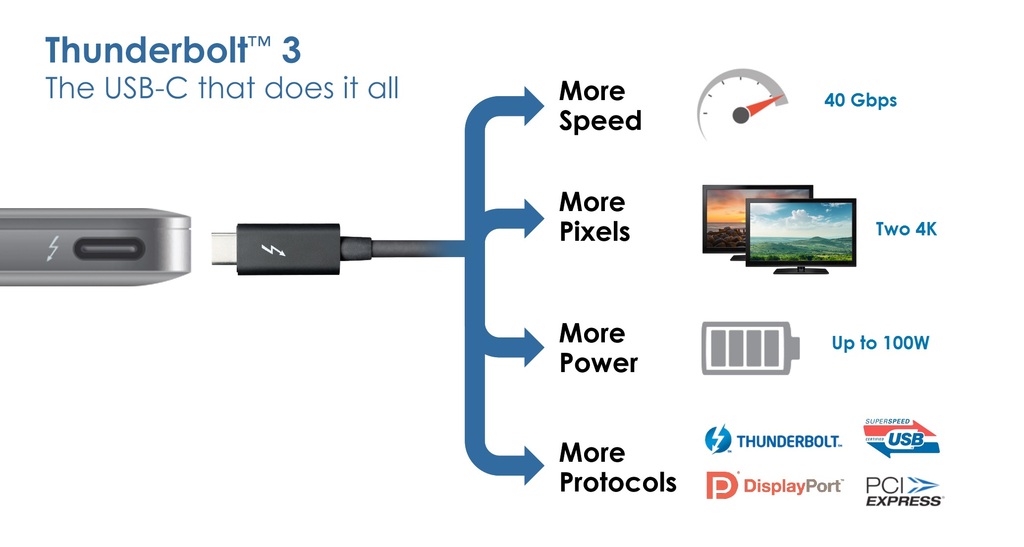
Thunderbolt is a high-speed interface that has revolutionized the way we connect and power our devices. Originally developed by Intel in collaboration with Apple, Thunderbolt technology provides a single connection that can handle data transfer, video output, and power delivery simultaneously. This versatility means that users can connect everything from external hard drives to 4K displays using just one cable. With Thunderbolt 3 and Thunderbolt 4 now becoming standard, the technology offers speeds of up to 40 Gbps, making file transfers and multi-device connectivity faster than ever.
Not only does Thunderbolt support high-speed data transfer, but it also enhances the performance of external GPUs, allowing for powerful graphics processing capabilities. In addition to its impressive speed, Thunderbolt also supports daisy chaining, enabling users to connect multiple devices through a single port. For those who demand both performance and convenience, Thunderbolt stands out as a crucial technology that empowers today's advanced computing environments. As we continue to explore the potential of this technology, it is clear that Thunderbolt is not just a fleeting trend; it’s a key player in the future of device connectivity.
Counter-Strike is a highly popular tactical first-person shooter (FPS) game that has been a staple in the esports community since its inception. Players team up in matches that emphasize teamwork, strategy, and precise shooting to achieve objectives. If you're looking to enhance your gaming experience, consider checking out the Top 10 external monitors for mac to find the perfect display for your setup.
The Benefits of Thunderbolt: Why You Should Care
Thunderbolt technology is revolutionizing the way we connect devices, offering incredible speed and versatility. With data transfer rates of up to 40 Gbps, Thunderbolt allows users to transfer large files in seconds, making it a game-changer for professionals in fields like video editing, graphic design, and data analysis. Additionally, the ability to daisy-chain multiple devices (up to six) through a single port eliminates the need for multiple cables and creates a cleaner, more organized workspace.
Moreover, Thunderbolt provides impressive flexibility by supporting both data and video outputs through a single connection. This means that you can connect external displays with high resolution, while simultaneously transferring data from other devices, such as hard drives or docking stations. As technology evolves, adopting Thunderbolt can future-proof your setup, ensuring compatibility with new devices and peripherals that utilize this cutting-edge connectivity standard.
Is Thunderbolt the Future of Connectivity for Your Gadgets?
The rapid evolution of technology has brought forth the need for faster and more efficient connectivity solutions for our gadgets. Thunderbolt, developed by Intel in collaboration with Apple, has emerged as a strong contender in this domain, offering data transfer speeds that can exceed 40 Gbps. This means that large files, such as high-definition videos and games, can be transferred in mere seconds, making it an attractive option for professionals and enthusiasts alike. Moreover, Thunderbolt's capability to daisy-chain multiple devices through a single port not only maximizes efficiency but also minimizes cable clutter, positioning Thunderbolt as a potential key player in the future of connectivity.
As we look toward the future, the question arises: is Thunderbolt the definitive solution for all our connectivity needs? While it boasts impressive features such as bi-directional communication and the ability to support multiple protocols, including DisplayPort and PCI Express, challenges remain. The cost associated with Thunderbolt technology and its compatibility with existing devices may limit its widespread adoption. However, as seen with USB-C's growing dominance, the potential for Thunderbolt to integrate seamlessly with the next generation of consumer electronics remains high. Ultimately, the decision will come down to whether manufacturers can overcome these challenges and provide the affordable, versatile connectivity that users demand.