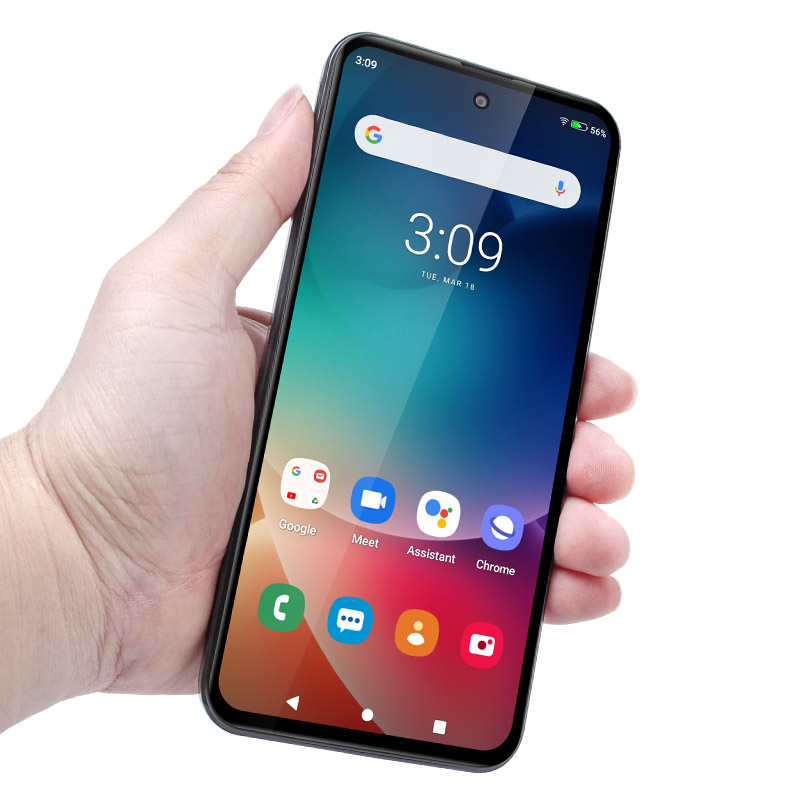
Unlocking the Hidden Data: What Your Mobile Device Tracks Every Day
In today’s digital age, our mobile devices are powerful tools that do more than just facilitate communication; they track a plethora of data every day. From your location to your browsing habits, mobile devices collect information to enhance user experience and provide personalized services. For instance, GPS technology allows apps to track your movements, while health monitoring features can record your physical activity levels. Understanding the extent of this tracking is essential for maintaining your privacy.
Moreover, the data collected by your mobile device can be categorized into various segments, such as location data, app usage, and web history. Many users are unaware that their devices continually log information, including the time spent on specific apps and the websites visited. This data can be used for targeted advertising, which raises important questions regarding consent and privacy. Therefore, it's crucial to regularly review your device’s settings and understand what information is being tracked and how it is being utilized.
Counter-Strike is a popular first-person shooter game that originated as a mod for Half-Life. It has since evolved into several versions, with Counter-Strike: Global Offensive being the most prominent. The game emphasizes teamwork and strategy, as players assume the roles of terrorists or counter-terrorists in various mission objectives. For gamers looking to accessorize their devices, check out the Top 10 iPhone 17 Cases with Lanyard for stylish protection while gaming on the go.
The Secrets Behind Mobile Permissions: What Are You Really Agreeing To?
In today's digital age, mobile apps have become an integral part of our daily lives, but have you ever stopped to consider what you are really agreeing to when you grant permissions? Each time you download an app, you are often prompted to provide access to various features on your device, such as your camera, microphone, location, and contacts. While these permissions may seem harmless, understanding the implications of sharing your data is crucial. Many users overlook these requests, assuming they are standard practice, but the truth is that some apps may misuse this access for purposes beyond their stated functionality.
For instance, a weather application might request access to your location to provide localized forecasts. However, by doing so, you are also allowing the app to collect data on your movements and share it with third parties. To protect yourself, it is essential to review app permissions thoroughly and consider the necessity of each request. Before downloading an app, take a moment to read user reviews and research any red flags regarding privacy. By doing so, you not only safeguard your personal information but also make informed decisions about the apps you choose to use.
5 Surprising Things Your Smartphone Knows About You That You May Not Realize
Your smartphone is much more than just a communication tool; it’s a powerful device that collects and analyzes data about your every move. You might be surprised to learn that your phone keeps track of location history, recording where you've been and how long you stayed at various places. This data, often used for personalized recommendations in apps, can also reveal patterns about your daily routine and habits. To see this information, simply check your location settings or the timeline feature in Google Maps, where it displays a visual representation of your travels across weeks or even years.
Another fascinating aspect is how your device understands your communication style. Smartphones analyze your text messages and calls to learn your preferred phrases, common contacts, and even your emotional tone. This information can influence autocomplete suggestions when you type or provide insights into your personality through the digital assistant. Furthermore, your phone's ability to track your app usage, including screen time and interactions, can help you identify how much time you devote to various activities – from social media to productivity tasks. Monitoring this can empower you to make conscious choices about your daily tech habits.