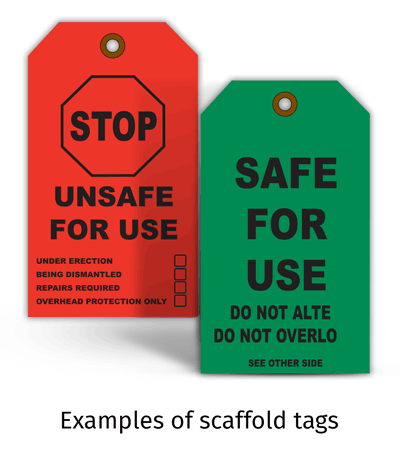
The Importance of Safety Tags in Preventing Workplace Accidents
Safety tags play a crucial role in enhancing workplace safety by providing clear communication about hazardous conditions, equipment status, and necessary precautions. By using vibrant colors and standardized symbols, these tags catch the attention of workers, reminding them of potential dangers and ensuring they take appropriate measures to avoid accidents. In industries such as construction, manufacturing, and healthcare, where risks are prevalent, the presence of safety tags becomes essential in cultivating a culture focused on preventing workplace accidents.
Moreover, safety tags can serve as vital tools for training and onboarding new employees. When workers are familiar with the significance of these tags, they are more likely to adhere to safety protocols. Regular inspections and maintenance of safety tagging systems also contribute to overall operational efficiency by minimizing hazards. By prioritizing the implementation of effective tagging systems, organizations can not only comply with regulatory standards but also foster a safer working environment that ultimately reduces the risk of injuries and enhances productivity.
Counter-Strike is a highly popular first-person shooter game that has captivated millions of players around the world. Known for its tactical gameplay and team-based mechanics, it requires players to work together to complete objectives or eliminate the opposing team. For those looking to enhance their performance while running, check out the Top 10 Apple Watch Accessories for Runners to find the best gear to keep you motivated and on track.
How to Effectively Use Safety Tags for Enhanced Workplace Safety
Using Safety Tags effectively is essential in promoting enhanced workplace safety. These tags serve as clear visual indicators that communicate important messages regarding hazards, equipment status, or ongoing maintenance. To ensure that tags are utilized effectively, it is important to follow a systematic approach. For example, consider implementing a color-coded system where each color represents a different level of risk or type of information. This immediately draws attention and helps workers quickly understand the level of caution required. Additionally, regular audits of safety tags can ensure they are up-to-date and properly placed, further reinforcing their importance in a safe work environment.
Another key aspect of using Safety Tags is educating employees on their meanings and proper usage. Conducting regular training sessions can help workers understand how to interpret various tags and respond appropriately. A practical strategy is to create an easy-to-reference guide that summarizes the meanings of different tags and provides examples of their application in daily operations. Encouraging workers to report damaged or outdated tags not only maintains the effectiveness of the system but also fosters a culture of safety awareness and responsibility. Overall, integrating safety tags into your workplace safety protocol can lead to a more informed and cautious team.
Are Safety Tags the Key to a Safer Work Environment?
In today's fast-paced work environments, the importance of safety cannot be overstated. One effective tool that has emerged to enhance workplace safety is the use of safety tags. These tags serve as vital communication tools, alerting workers to hazards and providing critical information needed to prevent accidents. By being prominently displayed on equipment and in high-risk areas, safety tags ensure that employees are always aware of potential dangers, significantly reducing the likelihood of workplace injuries.
Implementing a comprehensive safety tag system can also promote a culture of safety within an organization. When workers see clearly labeled warnings and instructions, it reinforces the idea that safety is a shared responsibility. Additionally, according to industry studies, companies that utilize safety tags experience fewer incidents and reduced liability claims. Thus, adopting safety tags is not just a crucial step toward compliance with safety regulations; it is a proactive approach to fostering a safer and more responsible work environment.