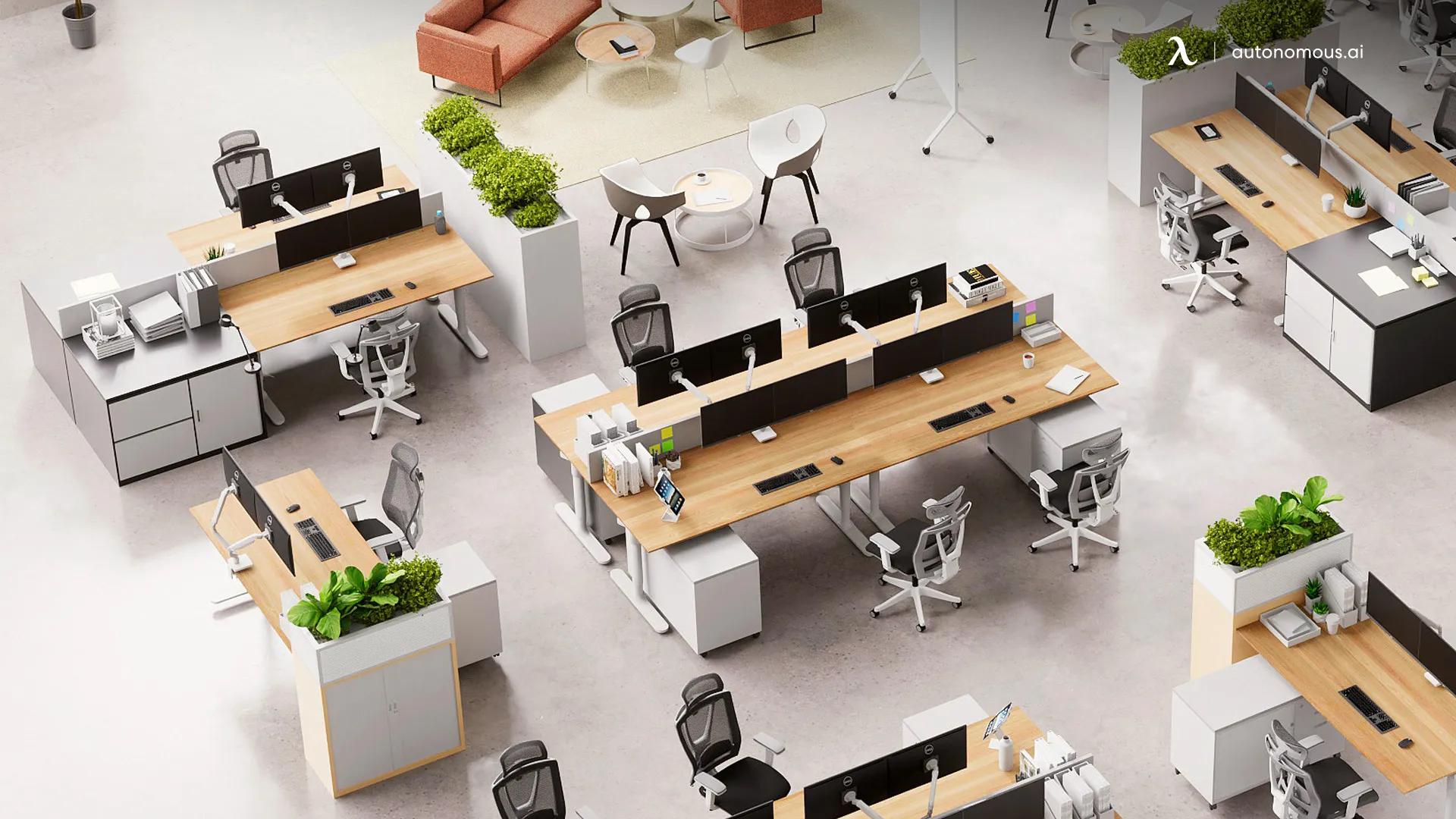
How Did Workspaces Transform from Dull Cubicles to Creative Hubs?
Over the past few decades, the concept of the workplace has evolved significantly. Gone are the days when employees were confined to dull cubicles, isolated by drab partitions that stifled creativity and collaboration. The traditional office layout was designed for efficiency, often at the expense of employee satisfaction and productivity. As organizations began to recognize the impact of workspace design on employee morale, a shift occurred, leading to the emergence of more creative hubs. These innovative environments prioritize open spaces, flexible seating arrangements, and communal areas, fostering a culture of collaboration and engagement.
The transformation from these monotonous cubicles to vibrant creative hubs is not just about aesthetics; it reflects a broader understanding of how workspaces influence work behavior. Companies have embraced the idea that a stimulating environment can enhance creativity and innovation. Features such as breakout areas, artistic decor, and even the incorporation of nature through biophilic design have become integral to modern offices. As businesses continue to adapt to changing workforce expectations, the focus is on creating spaces that not only attract talent but also cultivate collaboration, thus leading to increased productivity and job satisfaction.
Counter-Strike is a popular multiplayer first-person shooter game that pits teams of terrorists against counter-terrorists in a variety of game modes. The game is known for its tactical gameplay and team-based strategies. For players looking to enhance their gaming experience, investing in the Top 10 Desk Setup Essentials can be crucial for comfort and performance.
The Impact of Color and Design on Productivity in Modern Offices
In modern offices, the impact of color and design on productivity cannot be overstated. Research has shown that certain colors can influence mood and energy levels, which are critical factors in workplace efficiency. For instance, blue is known to evoke a sense of calm and focus, making it a popular choice for collaborative spaces. On the other hand, vibrant colors like yellow and orange can stimulate creativity and enthusiasm, making them ideal for brainstorming areas. When designing an office, it is essential to consider how various colors interact with the overall layout, as a well-balanced palette can foster both harmony and motivation among employees.
Moreover, the layout and design of the workspace play a significant role in enhancing productivity. An open office design can facilitate communication and teamwork, whereas a more structured layout may benefit tasks requiring concentration and minimal distractions. To achieve an optimal balance, many modern offices incorporate flexible design elements, such as movable partitions and diverse work areas that cater to different working styles. These design choices not only influence productivity but also contribute to employee well-being, highlighting the importance of creating environments that adapt to the needs of the workforce.
Exploring the Role of Technology in Shaping Today’s Work Environments
In today's rapidly evolving landscape, technology plays a crucial role in shaping work environments. From the rise of remote work tools to advanced communication platforms, businesses are leveraging these innovations to enhance productivity and collaboration. For instance, video conferencing tools like Zoom and project management software such as Trello allow teams to work together seamlessly, regardless of geographical barriers. This transformation not only increases efficiency but also provides employees with the flexibility to maintain a work-life balance, which is essential in today's demanding job market.
Moreover, integrating technology into work environments has led to a significant shift in employee engagement and satisfaction. Companies are now utilizing artificial intelligence and data analytics to understand employee needs and optimize workflows. The adoption of tools like employee feedback apps and performance management systems enables organizations to create a more inclusive and responsive workplace. As businesses continue to adapt to these technological advancements, the emphasis on cultivating a supportive and dynamic corporate culture becomes increasingly vital.