10 Essential Tips for Maximizing Your Mac Storage Space
Managing your Mac's storage space is crucial for optimal performance and seamless productivity. Here are 10 essential tips to help you maximize your storage capacity:
- Empty the Trash regularly to reclaim space. Files in the Trash still take up storage until permanently deleted.
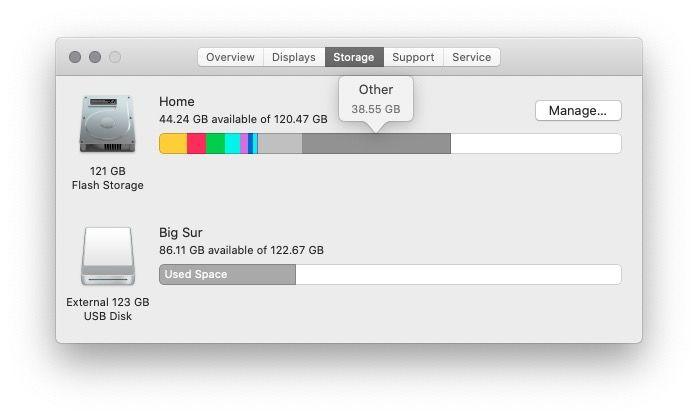
- Use Built-in Storage Management Tools like the Storage Optimization feature under 'About This Mac' to automatically manage your files and remove unnecessary data.
- Offload Large Files to external drives or cloud storage to keep your Mac running smoothly.
In addition to the initial tips, consider these additional strategies:
- Uninstall Unused Applications through the Applications folder or by using an uninstaller tool to clear up space.
- Clear Cache Files regularly. Navigate to ~/Library/Caches to remove unnecessary cached data.
- Manage Downloads by routinely deleting files you no longer need. The Downloads folder can quickly become a storage hog.
- Utilize Disk Utility to identify and resolve disk space issues.
Counter-Strike is a popular tactical first-person shooter video game that has captivated gamers since its initial release in 1999. Players engage in team-based combat, choosing to fight either as terrorists or counter-terrorists. The game has evolved over the years, with various versions and updates enhancing gameplay and graphics. For gamers looking to expand their storage options for game files, be sure to check out the Top 10 external ssds for mac to optimize their gaming experience.
How to Identify and Remove Duplicate Files on Your Mac
Identifying and removing duplicate files on your Mac can significantly improve your system's performance and free up valuable disk space. Start by using the built-in Finder feature to search for duplicates. Open Finder and navigate to the folder you want to check. Use the search bar at the top right corner, input a common file type like .jpg or .pdf, and click on 'Name matches'. After searching, organize the results by clicking on 'Kind' to group similar files together. This will make it easier to spot duplicates.
Once you've identified the duplicate files, you can manually delete them or consider using a third-party application designed for this purpose. Popular applications like CleanMyMac or Gemini 2 not only automate the process but also provide additional features like file previews before deletion. Always remember to back up important files before proceeding. By following these steps diligently, you can keep your Mac organized and running smoothly.
Mistakes to Avoid That Can Lead to Mac Storage Bloat
One of the most common mistakes to avoid that can lead to Mac storage bloat is failing to regularly manage downloaded files. Many users tend to download files, images, and documents but neglect to organize and delete items they no longer need. This can result in a cluttered Downloads folder that consumes considerable space on your device. To prevent this, adopt a routine where you review your downloads and remove anything unnecessary at least once a month.
Another critical mistake is ignoring system caches and application data. Over time, apps and the operating system store temporary files that can accumulate and significantly inflate your storage usage. To combat this, consider using built-in tools such as Storage Management in macOS, or download third-party applications designed to clean up these caches. Regularly clearing out unused application data can make a noticeable difference in freeing up valuable storage space.