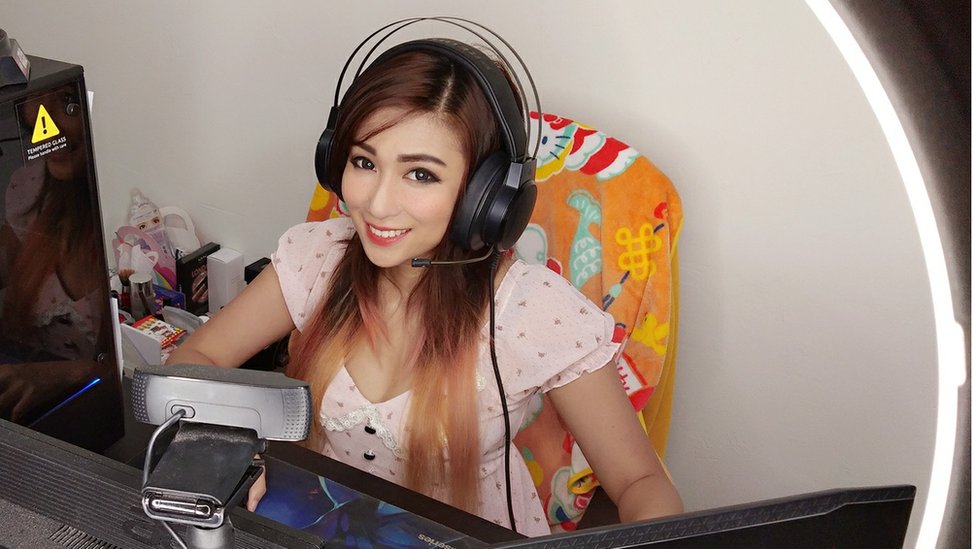
The Psychology of a Gamer: What Drives Us Behind the Screens
The world of gaming is not just about pixels and avatars; it is fundamentally rooted in psychology. Gamers are driven by a unique blend of motivation, community, and competition. Intrinsic motivation plays a significant role, where individuals play for the sheer joy of mastering a game, experiencing captivating narratives, or achieving a sense of accomplishment. Studies have shown that features like level progression, rewarding gameplay mechanics, and challenges are designed to tap into this intrinsic drive, creating a satisfying loop that keeps players engaged.
Moreover, the social aspect of gaming cannot be overlooked. Many find solace in online multiplayer experiences that foster a sense of belonging and community. Players often form bonds with others, joining guilds or clans, which provides them with emotional support and camaraderie. This social interaction can lead to enhanced satisfaction and a greater commitment to the game. Ultimately, understanding these psychological triggers helps us appreciate not just the games themselves but the deeper connections and motivations that keep us returning to our screens.
Counter-Strike is a popular tactical first-person shooter game that has gained a massive following since its initial release. Players engage in team-based combat, taking on roles as either terrorists or counter-terrorists. For those looking to enhance their gaming experience, consider exploring the Top 10 Tech Gifts for Gamers that can elevate your gameplay.
From Casual to Pro: How Gaming Shapes Our Daily Lives
In recent years, gaming has evolved from a casual pastime to a significant part of our daily lives. The rise of eSports and online gaming platforms has made it possible for individuals to not only enjoy gaming but also pursue it professionally. Many players start out as casual gamers, enjoying their favorite titles after a long day, but the journey from casual to pro highlights how gaming shapes our daily lives through social connections and skill development. The accessibility of online communities offers gamers a chance to connect, share strategies, and even learn from one another, enhancing the overall experience.
Moreover, the impact of gaming extends beyond entertainment; it has been linked to improved cognitive skills and critical thinking abilities. Studies suggest that engaging in complex games can boost problem-solving skills, multitasking ability, and even improve one’s mood. As individuals transition from casual players to professionals, they often experience a shift in their daily routines, dedicating more time to practice, strategy development, and even physical fitness to maintain peak performance. This transformation exemplifies how gaming shapes our daily lives, influencing not just our leisure activities, but our mental and physical well-being as well.
What Do Gamers Really Do When They Log Off?
When gamers finally log off, one might imagine they simply step away from their screens and carry on with their daily lives. However, the reality is often more nuanced. Many players engage in community-building activities on various platforms, discussing strategies and sharing experiences with fellow gamers. They might dive into forums like Reddit or Discord, participating in discussions about their favorite games or even collaborating on fan art or game design concepts. Some gamers take this time to explore related media, such as game lore through fan fiction or watching game-related streams and videos to enhance their understanding of the games they love.
Additionally, offline hobbies often take precedence once the computer is shut down. Gamers may indulge in activities like reading novels, practicing musical instruments, or even participating in physical sports. These pursuits are not just distractions but essential components of a well-rounded lifestyle that help balance the intensive screen time. Interestingly, for some gamers, the transition from virtual to real life also involves maintaining a healthy work-life-gaming balance, where they prioritize personal goals and social interactions outside of their gaming universe.