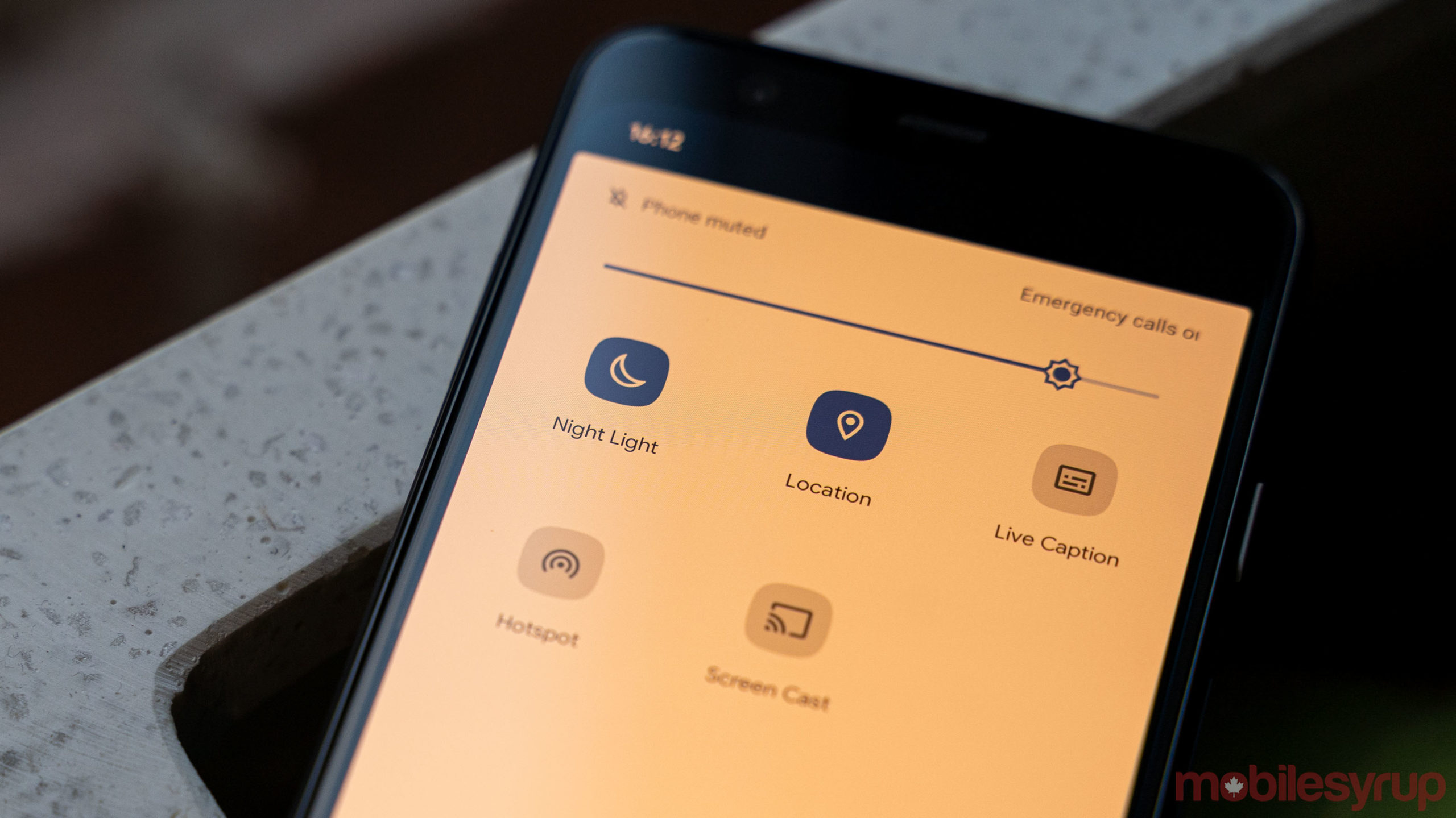
How Blue Light Affects Your Sleep: Understanding the Science Behind It
Understanding how blue light affects your sleep begins with recognizing its role in regulating our circadian rhythms, the internal clocks that dictate our sleep-wake cycles. Exposure to blue light, particularly in the evening, can interfere with the production of melatonin, the hormone responsible for inducing sleep. Various sources of blue light, such as smartphones, tablets, computers, and LED lights, increasingly dominate our environments, especially as we engage in activities like scrolling through social media or watching TV late at night.
Research shows that even small amounts of blue light exposure can delay sleep onset and disrupt overall sleep quality. According to studies, individuals who limit their exposure to blue light in the evening report improved sleep patterns and enhanced daytime alertness. To mitigate these effects, consider implementing strategies such as using blue light blocking glasses, enabling 'night mode' settings on digital devices, or avoiding screens altogether at least one hour before bed. By making these adjustments, you can support your body’s natural rhythms and enjoy more restful nights.
Counter-Strike is a popular first-person shooter game that has captivated millions of players worldwide. It emphasizes teamwork and strategy, where players assume the roles of either terrorists or counter-terrorists. The game has also created a competitive scene with tournaments and leagues, often showcasing the skills of the top players. As gamers spend extended hours playing, it's important to consider their eye health, and you might want to check out the Top 10 Phone Accessories for Eye Strain to help alleviate any discomfort.
Top 5 Benefits of Using a Blue Light Filter for Better Sleep
In today's digital age, many of us spend countless hours in front of screens, whether they're computers, tablets, or smartphones. The use of a blue light filter has become essential as it significantly helps mitigate the adverse effects of blue light exposure on our sleep patterns. One of the primary benefits is that it reduces eye strain, which can occur from prolonged screen time. By filtering out the harsh blue light, a blue light filter makes screen time more comfortable, allowing users to wind down without the discomfort that often leads to disrupted sleep.
Additionally, using a blue light filter can enhance the quality of sleep by promoting the body's natural circadian rhythm. Blue light interferes with the production of melatonin, the hormone responsible for regulating sleep. By utilizing a blue light filter, especially in the evening, individuals can improve their sleep duration and overall sleep quality. Not only does this contribute to feeling more rested and alert during the day, but it also supports overall health and well-being.
Is Your Screen Keeping You Awake? The Role of Blue Light in Sleep Disruption
In today's digital age, the ubiquitous presence of screens has transformed how we consume information, communicate, and unwind. However, this constant exposure to screens, whether it's from smartphones, computers, or tablets, is significantly affecting our sleep patterns. The primary culprit behind this disruption is blue light, which is emitted by most of our electronic devices. Research indicates that blue light interferes with the production of melatonin, the hormone responsible for regulating sleep. When melatonin levels are suppressed, it can lead to difficulty falling asleep, staying asleep, and ultimately result in poorer sleep quality.
To combat the adverse effects of blue light on sleep, consider implementing several strategies that can help mitigate its impact. These include:
- Limiting screen time at least an hour before bedtime.
- Utilizing blue light filter apps or glasses that reduce blue light exposure in the evening.
- Switching to warmer light settings on your devices during nighttime hours.